The topic of Great Danoodle exercise needs is important for every owner who wants to raise a healthy, balanced, and well-behaved companion. A Great Danoodle is a cross between the Great Dane and the Poodle, combining intelligence, athletic ability, and a loving personality. Because of their size and energy level, these dogs require a carefully planned activity routine that supports both physical and mental wellness.
This hybrid breed can vary in appearance and temperament depending on genetics, but most Great Danoodles are large, social, and eager to stay active with their families. They thrive when given enough movement, stimulation, and structure throughout the day. Without proper exercise, they may develop destructive habits, anxiety, or excessive barking.
Owners in the United States often choose this designer breed because it blends the elegance of the Poodle with the gentle giant personality of the Great Dane. However, many first-time owners underestimate how much activity these dogs actually need. Understanding daily movement requirements, age-based exercise routines, and safe activity types is essential for long-term health.
Learn more about our breeding program, available puppies, and health-tested litters at Great Danoodle Breeder
Understanding the Energy Level of a Great Danoodle
Before building a fitness routine, it helps to understand the breed’s overall energy profile. Great Danoodles are not usually hyperactive dogs, but they are highly engaged and intelligent. Their activity level typically falls somewhere between moderate and high depending on genetics, diet, and age.
A Great Dane parent often contributes a calm and relaxed personality indoors, while the Poodle side adds alertness, agility, and mental sharpness. This combination creates a dog that enjoys outdoor adventures but also appreciates downtime with family members.
Most adult Great Danoodles need between 60 and 120 minutes of daily activity. This does not necessarily mean intense running for two straight hours. Instead, their routine should include a mix of walking, play sessions, training exercises, and mentally stimulating games.
The key to managing Great Danoodle exercise needs is consistency. A regular routine helps prevent boredom and supports healthy muscle development, especially during puppyhood and adolescence.
Daily Walking Requirements for Large Hybrid Dogs
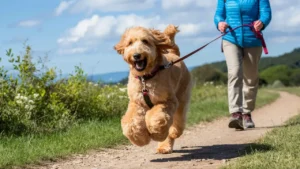
Walking is the foundation of a healthy exercise plan for any large breed mix. Great Danoodles benefit from at least two structured walks per day. For most adults, a morning walk of 30 to 45 minutes and an evening walk of similar length works well.
Because these dogs can become quite large, leash training should start early. A fully grown Great Danoodle may weigh well over 80 pounds, making control and obedience essential during walks in busy neighborhoods or parks.
Owners should pay attention to weather conditions, especially during hot American summers. Large dogs are more vulnerable to overheating, particularly if they inherit a thicker Poodle-style coat. During warmer months, early morning and evening walks are safer than midday exercise.
Different walking environments can also improve mental stimulation. Consider rotating between:
- Neighborhood walks
- Nature trails
- Dog-friendly parks
- Beach walks
- Hiking paths
Changing scenery helps prevent boredom and keeps your dog engaged. It also exposes them to new smells, sounds, and social experiences that support confidence and emotional stability.
Many veterinarians recommend monitoring joint health carefully because giant-breed genetics may increase the risk of hip or elbow issues later in life.
Great Danoodle Exercise Needs for Puppies
Puppies require a very different routine than adult dogs. The phrase Great Danoodle exercise needs becomes especially important during the growth stage because excessive exercise can damage developing joints and bones.
Young puppies should not participate in long-distance running or repetitive jumping activities. Instead, focus on short bursts of low-impact play combined with socialization and training.
A common guideline is five minutes of exercise per month of age, repeated two or three times daily. For example:
- 3-month-old puppy: 15 minutes per session
- 5-month-old puppy: 25 minutes per session
- 8-month-old puppy: 40 minutes per session
Puppy exercise should include:
- Gentle walks
- Basic obedience training
- Puzzle toys
- Fetch on soft grass
- Controlled play with other vaccinated dogs
Mental enrichment is just as valuable as physical movement for puppies. Poodle genetics often create highly intelligent dogs that quickly become bored without stimulation. Teaching commands, introducing scent games, and practicing problem-solving activities can tire a puppy in healthy ways.
Overexercising a large-breed puppy can contribute to long-term orthopedic problems. Always prioritize controlled activity over intense endurance training during the first year.
Follow our adorable puppies and daily updates on Instagram for more Great Danoodle photos, videos, and behind-the-scenes moments: Great Danoodle Breeder
Best Outdoor Activities for Great Danoodles
One reason American families love this breed is its versatility. Great Danoodles often enjoy a wide variety of outdoor adventures when introduced properly.
Popular activities include:
Hiking
Many Great Danoodles excel on hiking trails because they enjoy exploring new environments. Moderate trails with shaded areas are ideal. Owners should carry water and avoid extremely rocky terrain for younger dogs.
Swimming
If the dog inherits the Poodle’s love of water, swimming can become one of the best low-impact exercises available. Swimming supports cardiovascular health while reducing stress on joints.
Fetch Games
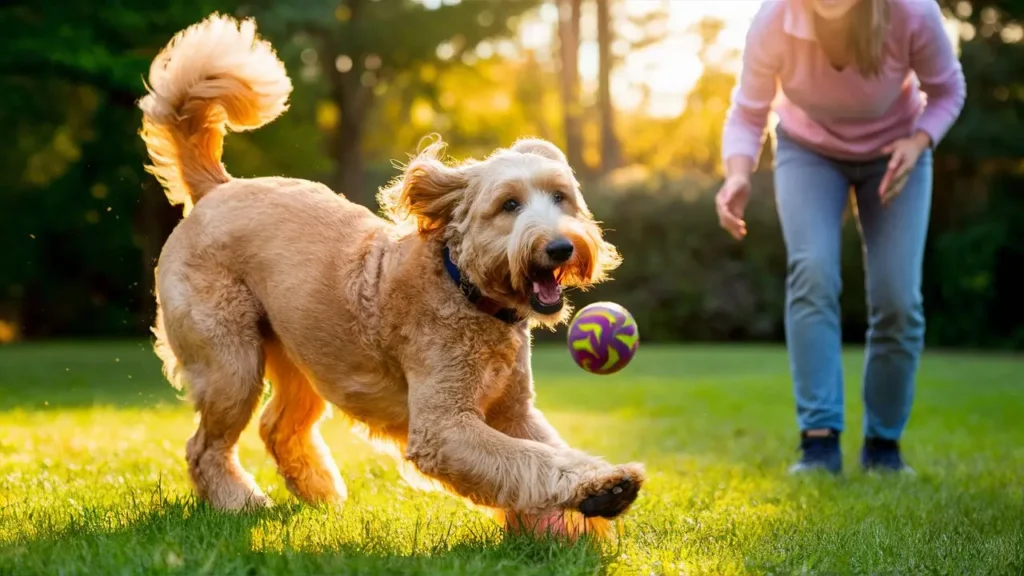
Large open spaces allow these dogs to stretch their legs safely. Soft balls or durable frisbees can provide excellent cardio exercise without requiring excessive distance running.
Backyard Agility
Simple agility obstacles help stimulate both mind and body. Tunnels, weave poles, and low jumps can create fun training sessions that improve coordination.
A balanced approach is the best way to meet Great Danoodle exercise needs without causing fatigue or overtraining.
Mental Stimulation Is Just as Important as Physical Activity
Physical exercise alone is not enough for this intelligent hybrid. Great Danoodles often inherit strong problem-solving abilities from the Poodle side of the family.
Without mental engagement, even physically active dogs may become restless or destructive indoors.
Excellent mental enrichment activities include:
- Food puzzle toys
- Hide-and-seek games
- Obedience drills
- Scent detection games
- Interactive feeders
- Advanced trick training
Training sessions should remain positive and reward-based. Harsh corrections may damage trust and reduce motivation.
Many owners underestimate how tiring mental work can be. A 20-minute advanced training session may exhaust a dog more effectively than a casual walk around the block.
Combining cognitive tasks with movement is one of the smartest ways to satisfy Great Danoodle exercise needs while strengthening the owner-dog bond.
Exercise Challenges During Different Life Stages
Exercise requirements change significantly throughout a dog’s life. Understanding these transitions helps owners avoid common health mistakes.
Puppy Stage
Focus on controlled movement and social development. Avoid excessive stairs, hard pavement running, or forced endurance.
Adolescent Stage
Teenage Great Danoodles may become more energetic and stubborn. This stage often requires additional training consistency and structured activities.
Adult Stage
Most adults perform best with a predictable exercise routine that balances walking, play, and mental engagement.
Senior Stage
Older dogs may slow down and develop joint stiffness. Lower-impact exercise becomes more important than intensity. Swimming and shorter walks often work well for seniors.
Adjusting activity levels throughout life is critical for managing Great Danoodle exercise needs responsibly.
Common Exercise Mistakes Owners Should Avoid
Even loving owners can accidentally create unhealthy exercise habits. Here are some of the most common mistakes seen among large hybrid breeds.
Overexercising Puppies
Too much impact during growth stages may contribute to orthopedic issues later in life.
Inconsistent Routines
Dogs thrive on structure. Long periods of inactivity followed by intense weekend exercise can strain muscles and joints.
Ignoring Weather Conditions
Large dogs can overheat quickly during summer months. Always monitor hydration and avoid hot pavement.
Lack of Mental Enrichment
Physical exercise without cognitive stimulation may still leave intelligent dogs frustrated.
Too Much High-Impact Activity
Constant jumping on hard surfaces may increase stress on hips and knees.
Preventing these mistakes helps owners support healthy Great Danoodle exercise needs for many years.
Apartment Living and Exercise Considerations
Although Great Danoodles are large dogs, some can adapt surprisingly well to apartment living if their activity requirements are met consistently.
The biggest challenge is not space inside the home but access to daily exercise and mental stimulation. Apartment owners should prioritize:
- Frequent walks
- Nearby green spaces
- Interactive indoor games
- Training sessions
- Scheduled outdoor adventures
A bored Great Danoodle in a small apartment may become vocal or destructive. However, a well-exercised dog is often calm and relaxed indoors.
Crate training can also help create a secure resting area when introduced positively.
For urban owners, meeting Great Danoodle exercise needs requires dedication and planning rather than simply having a large backyard.
Nutrition and Hydration for Active Great Danoodles
Exercise and nutrition always work together. Active dogs require balanced diets that support joint health, muscle recovery, and sustained energy.
Many veterinarians recommend high-quality large-breed formulas that contain:
- Lean protein
- Omega-3 fatty acids
- Glucosamine
- Chondroitin
- Balanced calcium levels
Owners should avoid exercising immediately after large meals because giant breeds may face increased risk of bloat, a potentially life-threatening condition.
Hydration is equally important, especially after outdoor activities or hikes during warm weather.
Portable dog water bottles are excellent tools for active families who enjoy traveling or exploring nature trails.
Signs Your Great Danoodle Needs More Exercise
Every dog communicates differently, but several common behaviors may indicate insufficient activity levels.
Watch for signs such as:
- Excessive chewing
- Digging
- Restlessness
- Barking
- Hyperactivity indoors
- Attention-seeking behavior
- Weight gain
These behaviors do not always mean a dog is “bad.” In many cases, they simply signal unmet physical or mental needs.
Increasing activity gradually and introducing enrichment games can dramatically improve behavior and emotional balance.
Recognizing these signals early helps owners better manage Great Danoodle exercise needs before frustration develops into long-term habits.
Building the Ideal Weekly Exercise Routine
A successful routine should include variety instead of repeating the same activity every day.
Here is an example weekly schedule:
Monday
- Morning walk
- Evening obedience session
Tuesday
- Fetch session at the park
- Puzzle feeder indoors
Wednesday
- Nature trail walk
- Short training exercises
Thursday
- Backyard agility practice
- Social play session
Friday
- Long evening walk
- Scent detection game
Saturday
- Hiking or swimming adventure
Sunday
- Recovery walk and relaxation
This type of balanced schedule helps support physical conditioning while reducing boredom.
Final Thoughts on Great Danoodle Exercise Needs
Understanding Great Danoodle exercise needs is essential for raising a happy, healthy, and emotionally balanced companion. These intelligent hybrid dogs thrive when owners provide a combination of physical activity, mental stimulation, structured training, and meaningful family interaction.
Whether living in a suburban home or a city apartment, Great Danoodles need consistent engagement to stay healthy. Daily walks, enrichment games, outdoor adventures, and positive reinforcement training all contribute to a fulfilling lifestyle.
Owners who invest time into proper exercise routines are often rewarded with affectionate, loyal, and calm companions that fit beautifully into active American households. By adapting routines throughout different life stages and paying attention to individual energy levels, families can help their Great Danoodle enjoy a long and vibrant life.